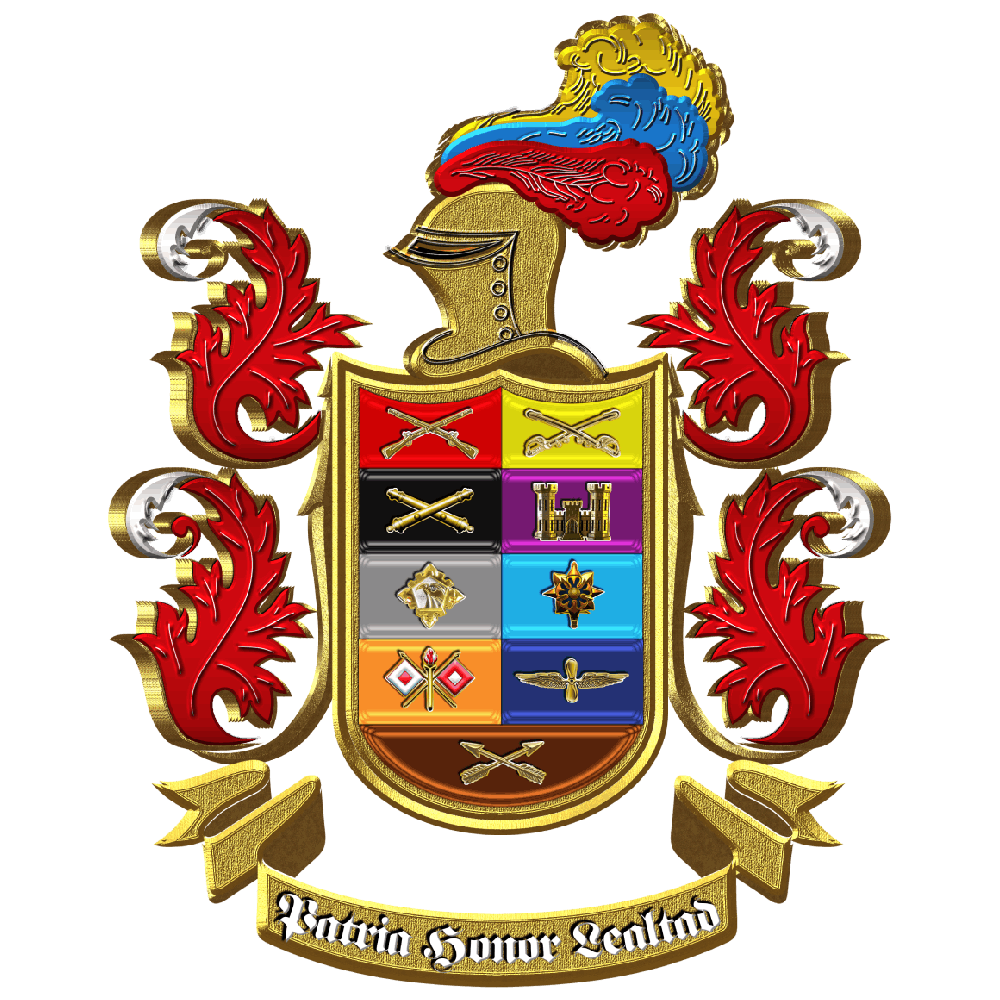
At the historic site where Colonel Juan José Rondón’s lanceros (elite and survival commandos) helped turn the tide of the Liberation Campaign, the Military Forces paid tribute to the legacy, present, and future of the “Branch of the Great Nobility.”
Paipa, Boyacá, July 25, 2026. The ceremony commemorating the 207th anniversary of the Battle of Vargas Swamp and the National Army Cavalry Day was held at the Monument to the Lanceros of Vargas Swamp, presided over by General Hugo Alejandro López Barreto, Commander-in-Chief of the Military Forces and the longest-serving active-duty soldier in the Cavalry.
The ceremony, held at one of the most iconic sites of the liberation struggle, served as a reminder of the events of July 25, 1819, when the Liberation Army faced off against royalist forces in a battle that proved decisive for the course of the Liberation Campaign.
It was there that Colonel Juan José Rondón and his lanceros carried out one of the most memorable actions in Colombian military history. Facing adverse conditions, those horsemen advanced resolutely, leading the charge that would help the patriotic forces regain the initiative—a charge that would forever be linked to the spirit of the Colombian Cavalry.
“Those who are brave, follow me—for at this moment we shall triumph!” was the historic phrase evoked during the ceremony as a symbol of the courage and determination that, for more than two centuries, have characterized the men and women of this branch.
From horse to armored vehicle: 207 years of evolution
For generations, the horse was the cavalry soldier’s inseparable companion. Rider and steed became a single force, traversing savannas, scaling mountains, reconnoitering the terrain, and reaching wherever the mission demanded their presence.
As conflicts and technology evolved, the branch also transformed. The horse gradually gave way to armored vehicles and systems; methods of reconnaissance, mobility, protection, and combat evolved, but the essence that has historically characterized the Cavalry remained: moving forward, anticipating threats, and operating in the most demanding scenarios.
Currently, Cavalry units are deployed in strategic areas of the country characterized by high operational complexity, including Cauca, Nariño, Valle del Cauca, Arauca, and La Guajira, where they contribute to military control of the territory, the protection of road and strategic corridors, and the security of communities.
Their capabilities in mobility, reconnaissance, protection, and maneuver allow troops to reach hard-to-access areas and respond to the challenges posed by organized armed groups and new dynamics of conflict.
A Cavalry prepared for 2042
The commemoration also highlighted the transformation the branch is undertaking to address future challenges.
Through the Cavalry Update and Innovation Working Group (METAI), members of the branch worked to review and update its doctrine, incorporating lessons learned and the challenges arising from new security scenarios, with a strategic outlook extending to the year 2042.
This process aims to guide the Cavalry’s evolution in terms of doctrine, organization, technology, training, and capabilities, while upholding the branch’s historical principles and preparing it to respond effectively to present and future threats.
Honor, the legacy of the Great Nobility
During his remarks, General Hugo Alejandro López Barreto emphasized that there is one essential element that must endure throughout history: the honor of the soldier of the Branch of the Great Nobility.
The Commander-in-Chief of the Military Forces invited officers, noncommissioned officers, and soldiers to preserve the principles and values that have historically characterized the Cavalry, reminding them that the nobility that defines the branch must transcend tradition and be permanently reflected in their conduct, decisions, and service to the nation.
207 years after that historic day at the Vargas Swamp, the Colombian Cavalry keeps alive the legacy of Rondón and his lanceros: the means, capabilities, and scenarios have changed, but the determination to serve, protect Colombians, and always occupy the place that history has taught it to occupy remains.
Happy Cavalry Day!